
 English
 French
 Spanish
 Russian
 Korean
 Japanese
Encapsulated Gardenia Blue: Stable Natural Blue Food Color for Bakery & Beverages
Solving Stability Challenges in Modern Food Systems with Natural Blue
As food manufacturing evolves toward complex, multifunctional products—from protein-rich beverages and plant-based dairy alternatives to high-density nutritional supplements—the demand for stable natural colorants has never been higher. Green Spring Technology's Encapsulated Gardenia Blue is engineered to meet these unprecedented demands, ensuring vibrant color in even the most challenging food matrices.
Why Traditional Gardenia Blue Fails in Modern Formulations
Conventional gardenia blue often underperforms when facing the multifaceted challenges of complex food matrices:
Component Interference (Stability Issues): Active ingredients like proteins, polyphenols, and metal ions readily interact with pigment molecules. This often leads to color distortion, darkening, or flocculation (precipitation).
Environmental Stress (pH & Shear): Extreme pH levels (strongly acidic or alkaline), high osmotic pressure, and intense mechanical shear (homogenization/high-speed mixing) compromise pigment structural integrity, accelerating degradation.
Processing Constraints: Modern techniques such as Ultra-High Temperature (UHT) pasteurization and spray drying subject natural pigments to extreme thermal stress, leading to rapid color failure.
The Limits of Traditional Encapsulation: Why a Breakthrough is Needed
While microencapsulation is not a new concept, traditional physical encapsulation (simple coating) often fails in high-performance food systems. B2B manufacturers frequently encounter these common failures:
Premature Leakage & Inactivation: Simple wall materials cannot withstand the harsh processing of baking or beverages, leading to pigment loss before the product even hits the shelf.
Poor Matrix Compatibility: Inconsistent interactions with fats or proteins result in uneven coloration and quality deterioration.
The Shift to "Next-Gen" Encapsulation Technology
To fulfill the promise of "all-natural, all-nutritious" clean-label products, a fundamental evolution in technology is imperative. It’s no longer just about coating; it’s about precision delivery and intelligent color presentation in complex food matrices.
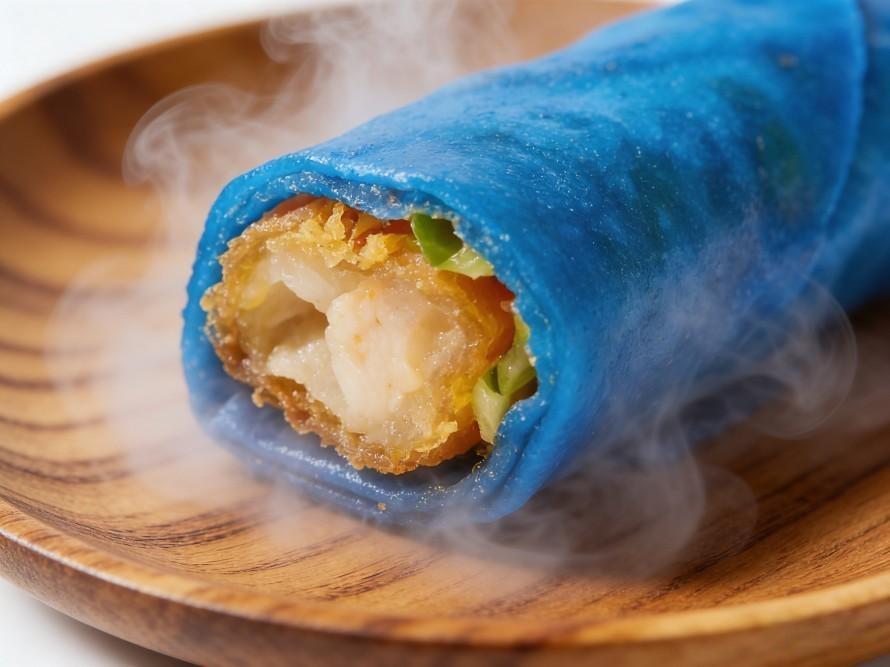
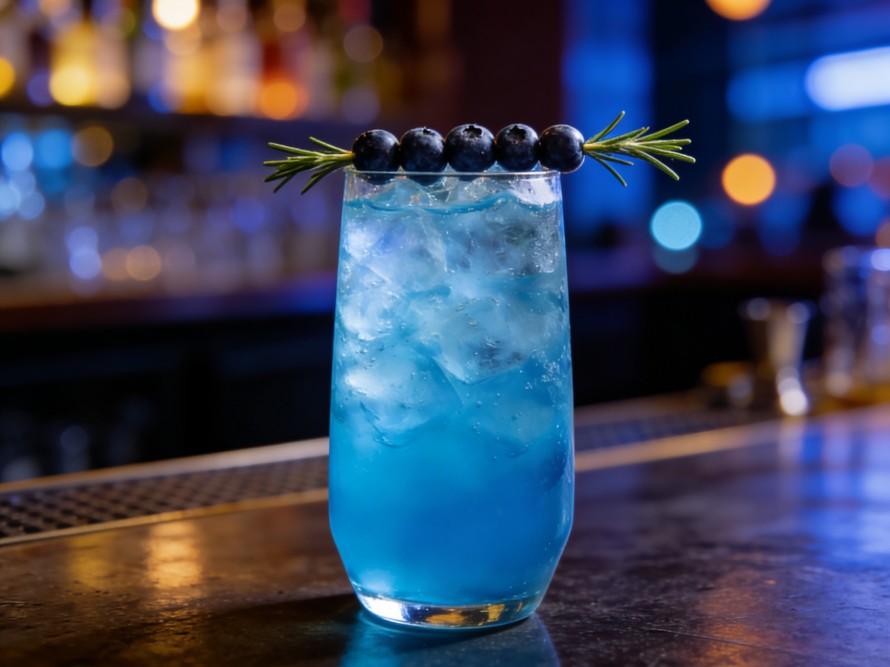
Heat-Stable Natural Blue: Encapsulated Gardenia Blue in High-Heat Application
High-Stability Gardenia Blue: Third-Generation Microencapsulation Technology Breakthrough
To overcome the stability bottlenecks in complex food matrices, Green Spring Technology’s R&D team has moved beyond incremental updates to reconstruct the underlying principles of pigment protection. This effort led to our Third-Generation Microencapsulation Technology.
This innovation marks a strategic shift from "passive physical coating" to "active protection and intelligent management," ensuring:
Molecular Stability: Protects gardenia blue molecules from interacting with proteins and metal ions.
Precision Wall Design: Engineered to withstand UHT (Ultra-High Temperature) and high-shear processing.
Extended Shelf Life: Maintains a vibrant, consistent blue hue without leakage or fading.
Three-Layer Composite Wall Material for Stable Encapsulated Gardenia Blue
We have moved beyond traditional single-layer materials to develop a three-layer composite wall system (polysaccharides-proteins-natural polymers). Each layer serves a distinct, critical function:
Inner Layer (Core Sealing): Tightly envelops the pigment core to provide fundamental physical isolation, preventing the leakage of active components.
Middle Layer (Environment-Responsive): An "intelligent" layer that adjusts its density to proactively resist harmful external stressors in complex food matrices.
Outer Layer (Interfacial Stabilization): Optimizes surface charge and polarity to ensure uniform, stable dispersion and prevent aggregation in various food systems.
Tough Core-Shell Structure Enhancing Gardenia Blue Resilience
Standard microcapsules are often "fragile spheres" that rupture during industrial processing. We have fortified our Encapsulated Gardenia Blue with a Tough Core-Shell design, ensuring precision-controlled particle size distribution (D50 controlled at specific micron levels).
This structural advancement enables the pigment to survive the most rigorous food manufacturing stages:
High-Shear & High-Pressure Homogenization: Maintains structural integrity under intense mechanical forces.
Spray Drying: Resists thermal and physical stress during high-temperature dehydration.
Preventing Leakage: Eliminates premature rupture, ensuring the natural blue color stays protected until it reaches the consumer.
| Download TDS / COA |
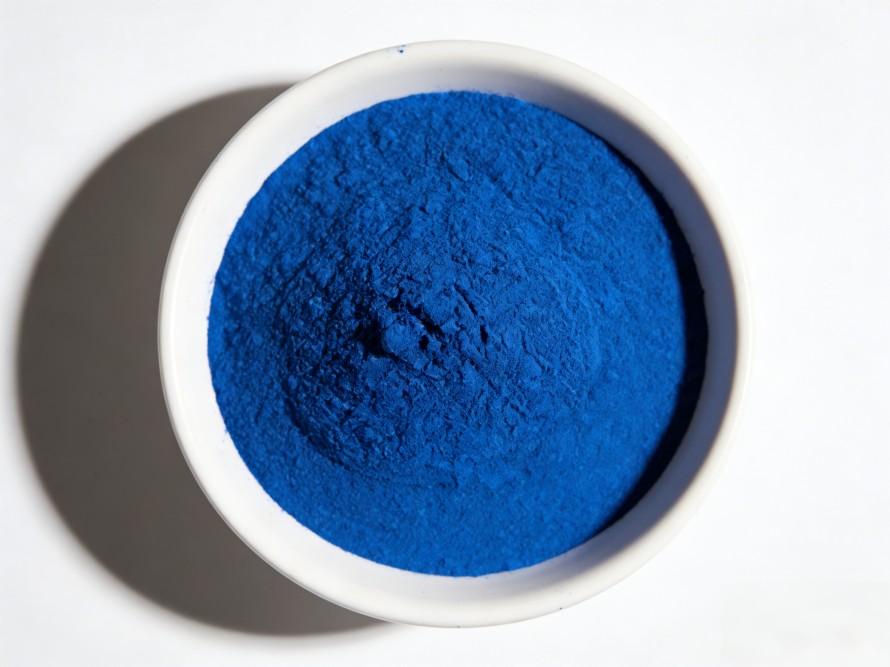
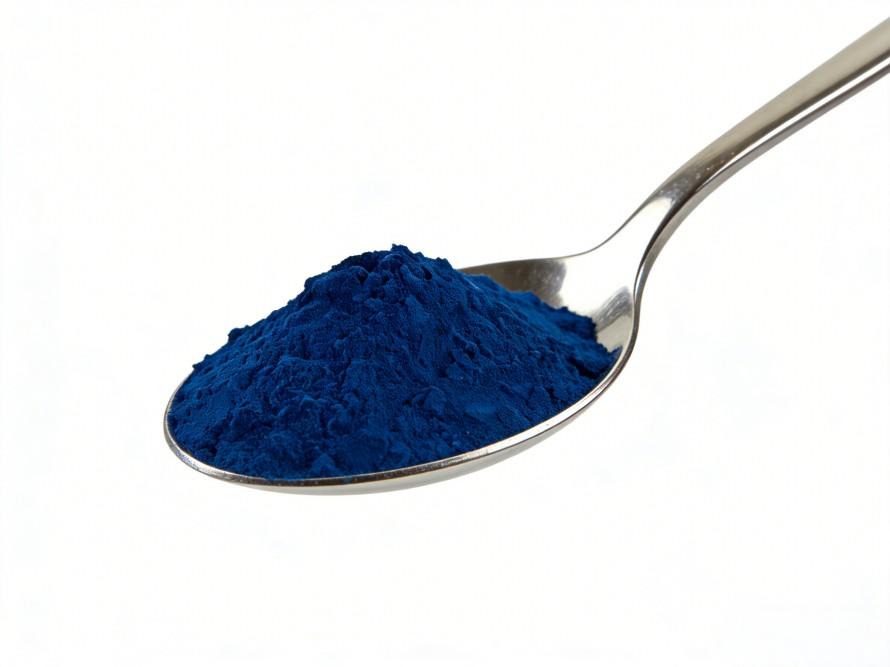
High-purity Encapsulated Gardenia Blue powder with superior heat and acid stability for complex food formulations
Targeted Controlled Release: Optimizing Gardenia Blue Stability in Final Products
The pinnacle of our third-generation technology is its "Environmentally Triggered Release" potential. Through sophisticated wall material design, we link the pigment release behavior to specific processing or consumption stages:
Smart Triggers: Release is activated by specific pH environments, enzymatic action, or shear forces (such as chewing).
Efficiency: This ensures precise, timed, and localized pigment delivery, significantly enhancing utilization efficiency and preventing loss during storage.
Proven Stability: High-Protein System (UHT Tested)
Performance Metrics | 2nd-Gen Encapsulation Technology | Green Spring Technology 3rd-Gen Technology |
Pigment Retention Rate | ≤ 65% | ≥ 92% |
Color Change (ΔE) | 8 (Noticeably grayish, darker) | < 2.5 (High visual consistency) |
System Physical State | May exhibit slight flocculation | Uniform, stable suspension (No precipitation) |
Processing Intensity Tolerance | Conventional pasteurization | Stable under UHT & High-pressure homogenization |
This technological breakthrough signifies that Gardenia Blue has evolved from a passive additive into a high-performance functional ingredient. With controllable stability and predictable performance, our Encapsulated Gardenia Blue empowers food engineers to design cutting-edge, clean-label formulations with total confidence and reliability.
Enhancing Food Innovation with Stable Encapsulated Gardenia Blue
The core value of Green Spring Technology’s third-generation microencapsulation lies in bridging the gap between natural color aesthetics and industrial stability. We transform complex laboratory science into tangible product advantages for the food industry:
Stability as a Service: We don't just provide a pigment; we provide a reliable technological infrastructure to solve the most difficult coloring challenges.
Commercial Scalability: Our technology ensures that your clean-label products remain consistent from large-scale production to the final consumer’s shelf.
Innovation Accelerator: Empowering R&D teams to explore new food innovation frontiers without worrying about color fading or leakage.
Stabilizing Natural Blue in Bakery, Beverages & Beyond
Our third-generation technology opens doors to previously restricted "technical no-go zones":
High-Performance Nutrition & Protein Beverages: Maintains vibrant, stable color in neutral-to-alkaline whey protein and plant-based protein drinks. Prevents flocculation even at protein isoelectric points.
Complex Emulsions & High-Fat Systems: Ensures uniform dispersion in oil-water mixtures like salad dressings, plant-based creams, and ice cream, preventing "color separation."
Functional Fortified Foods: Safeguards stability in supplements rich in vitamins, minerals, and prebiotics, preventing redox reactions with active ingredients.
Clean Label Processed Foods: Supports "no additives" claims in complex sauces and ready-to-eat meals throughout rigorous industrial processing.
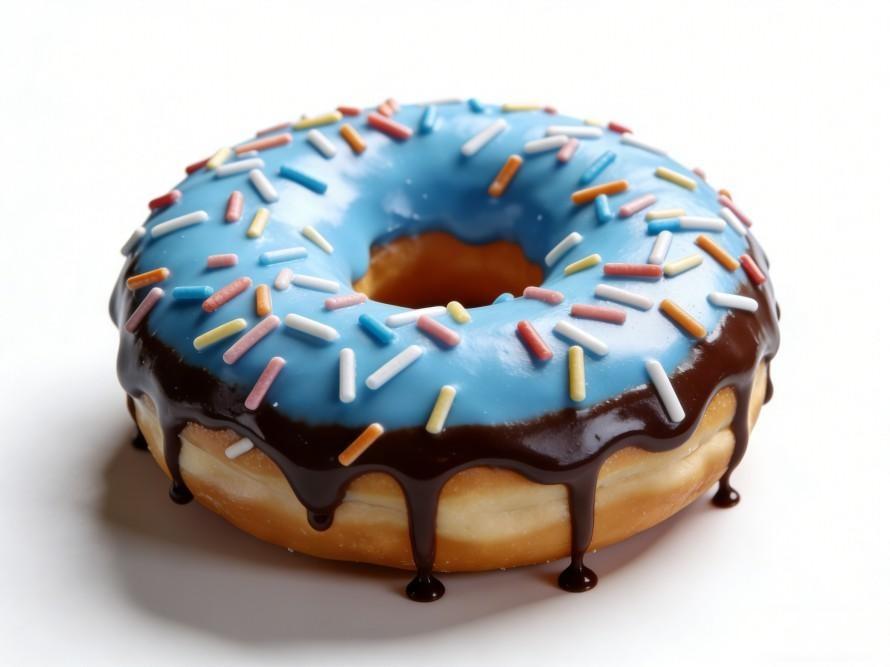
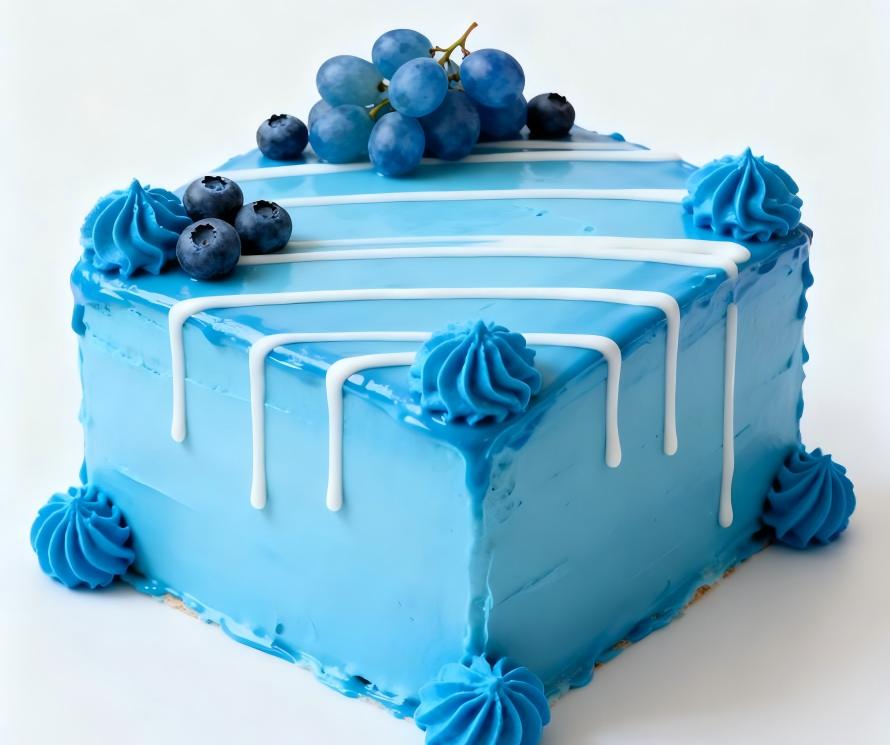
Vibrant Blue Icing: Green Spring's Encapsulated Gardenia Blue ensures high visual consistency and heat resistance in bakery glazing
| Request a Free Sample for Bakery Trial |
Pure Gardenia Blue: Vibrant Color Expression with Neutral Taste Profile
Our Encapsulated Gardenia Blue ensures your final product meets the highest sensory and production standards:
Vibrant & Consistent Color: By isolating the pigment from the food matrix, we deliver a vivid, long-lasting natural blue that won't fade or react with other ingredients.
Clean Flavor Profile (Zero Off-Flavor): The advanced encapsulation minimizes botanical notes and prevents the pigment from interfering with your product’s original taste and mouthfeel.
High Production Yield: Exceptional stability against temperature, shear force, and pH fluctuations means fewer production losses and a wider processing window for your factory.
Empowering Brands with Clean Label Gardenia Blue
Choosing our Third-Generation Encapsulated Gardenia Blue is a strategic investment in your brand’s future:
Premium Clean Label Commitment: Confidently claim "No Artificial Colors" and "No Synthetic Additives" even in highly complex formulations, meeting the highest global food safety standards.
Risk Mitigation & Consistency: Eliminate batch-to-batch color variation and potential shelf-life complaints at the source. Protect your brand reputation and drastically reduce after-sales costs.
Differentiated Competitive Advantage: While others struggle with natural color stability, you can lead the market with stunning, consistent blue hues that establish a clear technical barrier against competitors.
In summary, Green Spring Technology's Third-Generation Microencapsulated Gardenia Bluetranscends traditional natural pigments. It is a strategic functional ingredient designed to:
Empower Product Performance: Ensure unmatched stability in high-heat and complex food matrices.
Safeguard Brand Reputation: Eliminate color fading and migration risks, ensuring consumer trust in every batch.
Unleash Innovation Potential: Transition to Clean Label and all-natural formulations without compromising on vibrant sensory experiences.
By removing color stability constraints, we allow food innovators to focus on what matters most: Nutrition, Health, and Superior Quality.
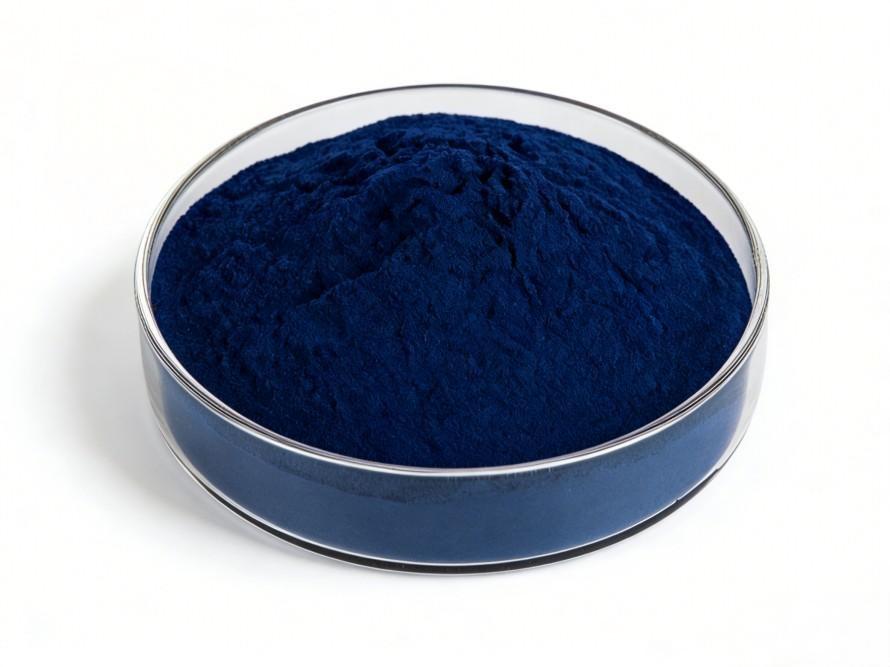
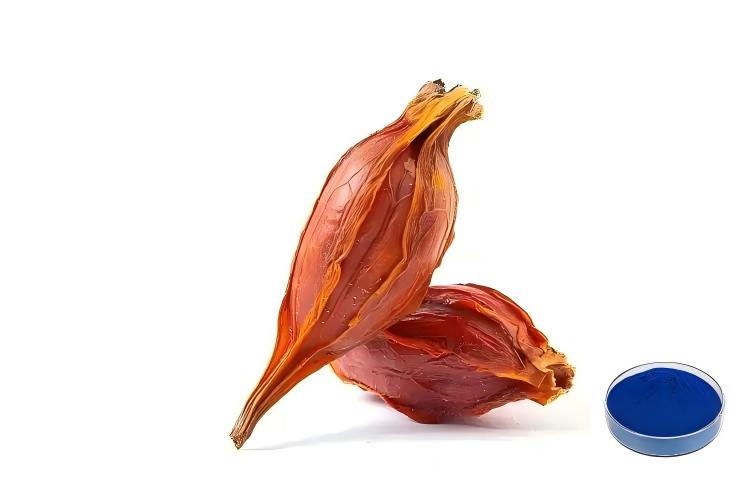
Vibrant and stable: Green Spring Technology’s Encapsulated Gardenia Blue powder with superior heat and acid resistance
Partner with Green Spring Technology: Leading Natural Blue Innovation Together
We invite pioneering brands committed to clean-label food innovation to join our Natural Blue Co-Creation Initiative. Green Spring Technology provides more than just ingredients—we offer a partnership to solve your toughest color challenges.
What You Get:
[Free Samples] of our Third-Generation Encapsulated Gardenia Blue.
[Technical Consultation] customized for your specific food matrix (Bakery, Dairy, etc.).
[Stability Reports] and application support to ensure market-leading results.
Apply for Samples & Consultation Today:
Contact: Helen (Technical Center)
Phone/WhatsApp: +86 13649243917
Email: helen@greenspringbio.com
Official Website: www.greenspringnatural.com
-
Prev
Formulate with Confidence: Certified Gluten-Free, Allergen-Free, Vegan Curcumin Ingredient
-
Next
Build Unbeatable Formulations: Empower Your Health Products with High-Bioavailability Curcumin