
 English
 French
 Spanish
 Russian
 Korean
 Japanese
The Comprehensive Solutions for Natural Ingredient Lutein
In today's digital age sweeping across the globe, excessive eye strain has become the norm for everyone—from school-age children to working professionals and the elderly. Market demand for eye health products is growing at an unprecedented pace, and lutein, as the cornerstone ingredient for retinal health, is undoubtedly the focal point of this wave.
Yet, despite immense market opportunities, brands and manufacturers face severe and specific challenges in selecting the core ingredient—lutein. These challenges are quietly eroding the efficacy of your products and the trust of the market.
Are you also troubled by these persistent issues with lutein ingredients?
· Challenge One: Misleading claims about purity and content, leaving product efficacy uncertain
Many ingredients boast high content but fall short on actual purity. Insufficient active ingredients and excessive impurities directly prevent your end products from delivering the advertised eye protection benefits, compromising consumer experience and risking brand reputation.
· Challenge 2: Low Bioavailability Equals “Wasted Consumption”
Natural lutein (ester form) has limited human absorption rates, while standard lutein powders fail to disperse effectively in water-based products. This means that in your carefully crafted eye-care beverages or infant formula, most lutein remains unabsorbed. The product's true value is severely wasted, representing a double loss of resources and consumer trust.
· Challenge 3: Unclear Raw Material Traceability, Quality and Safety Risks
Lutein primarily comes from marigolds, but is the cultivation environment pollution-free? Is the extraction process standardized? Many suppliers cannot provide a clear traceability chain. Raw materials of unknown origin may harbor safety risks like heavy metals and pesticide residues, planting a “time bomb” in your products.
· Challenge 4: Poor Stability Turns Shelf Life into “Expiration Period”
Lutein is highly sensitive to light, heat, and oxygen. Without stable encapsulation technology or due to crude production processes, raw materials rapidly degrade, discolor, and lose efficacy during storage and processing. Your product may already suffer significant loss of core active ingredients by the time it leaves the factory.
· Challenge 5: Incomplete Compliance Documentation Hinders Market Access
Without comprehensive COA (Certificate of Analysis), MSDS (Material Safety Data Sheet), and internationally recognized certifications like Halal, Kosher, or Organic, your product will face insurmountable barriers. It will be unable to enter mainstream channels or demanding international markets, missing crucial business opportunities.
These challenges ultimately translate into your core pain points: insufficient product strength, brand trust crises, wasted R&D resources, and lost market opportunities.
Green Spring Technology understands that an exceptional eye health product must begin with a pure, potent, and stable lutein ingredient.
To address this, we introduce our comprehensive lutein ingredient solution. We provide not just raw materials, but peace of mind from field to finished product. Through rigorously selected marigold sources, advanced saponification and encapsulation technologies, a fully traceable supply chain, and comprehensive global certifications, we are committed to fundamentally addressing all these challenges. We empower your products with stable, reliable efficacy, exceptional bioavailability, and worry-free market access, granting you a clear competitive edge in the fiercely competitive marketplace.
Part One: Understanding Lutein
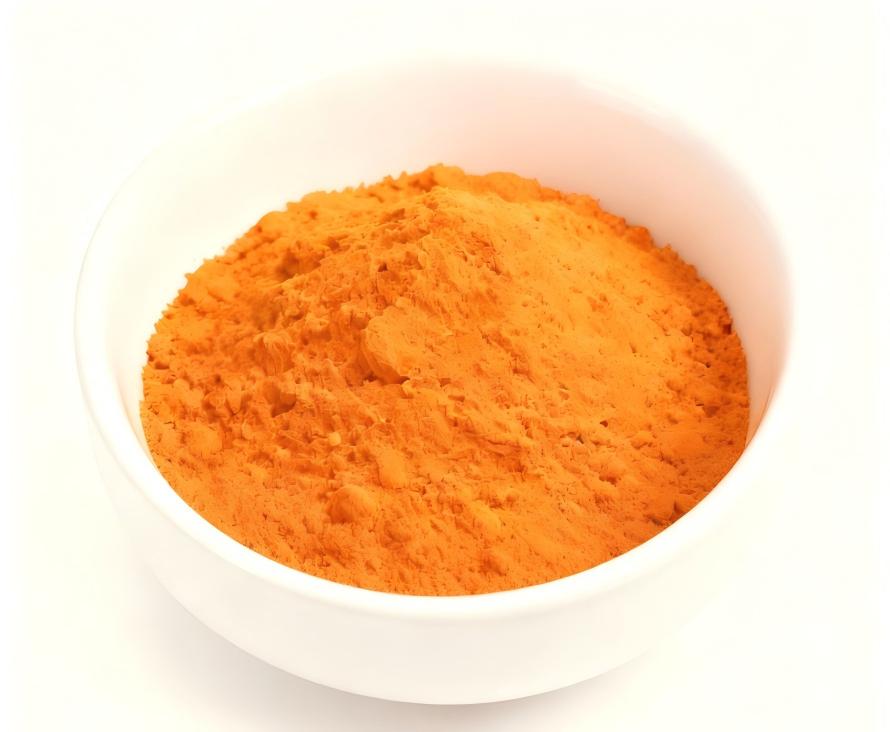
Lutein is a naturally occurring carotenoid found in fruits and vegetables. Together with zeaxanthin, it forms the core pigments of the macular region in the human retina. The human body cannot synthesize lutein and must obtain it through diet or supplements, making it a crucial exogenous nutrient for maintaining visual health.
I. Natural Source: Marigold's Golden Gift
While present in dark leafy greens like spinach and kale, marigold remains the most ideal and economical natural extraction source. Marigold petals contain high concentrations of lutein esters, which are converted into free-form lutein—more readily absorbed by the human body—through advanced extraction and saponification processes.
Green Spring Technology rigorously selects marigold varieties and implements standardized cultivation management at dedicated plantations, ensuring raw material purity and sustainability to lay a solid foundation for high-quality lutein production.
II. Form Analysis: Scientific Differences Between Ester and Free Forms
Understanding the distinctions between these two forms is crucial for selecting appropriate raw materials:
· Lutein Ester
Naturally occurring in marigold petals, its larger molecular structure requires enzymatic breakdown by the body for absorption
Characteristics: Natural form, relatively stable
· Free-Form Lutein
Derived from ester lutein through saponification, featuring a smaller molecular weight
Characteristics: Enhanced bioavailability, more readily absorbed and utilized by the body
Green Spring Technology employs a precisely controlled saponification process to efficiently convert naturally extracted lutein esters into free-form lutein with high bioavailability, ensuring optimal efficacy in end products.
III. Functional Positioning: Guardian of the Visual System
Lutein holds irreplaceable value in eye health:
1. Blue Light Filtering Effect
Effectively filters blue light entering the eyes, reducing photochemical damage
2. Antioxidant Protection
Neutralizes light-induced free radicals, shielding retinal cells from oxidative stress
3. Structural Support Function
As a primary component of macular pigment, maintains normal structure and function of the macular region
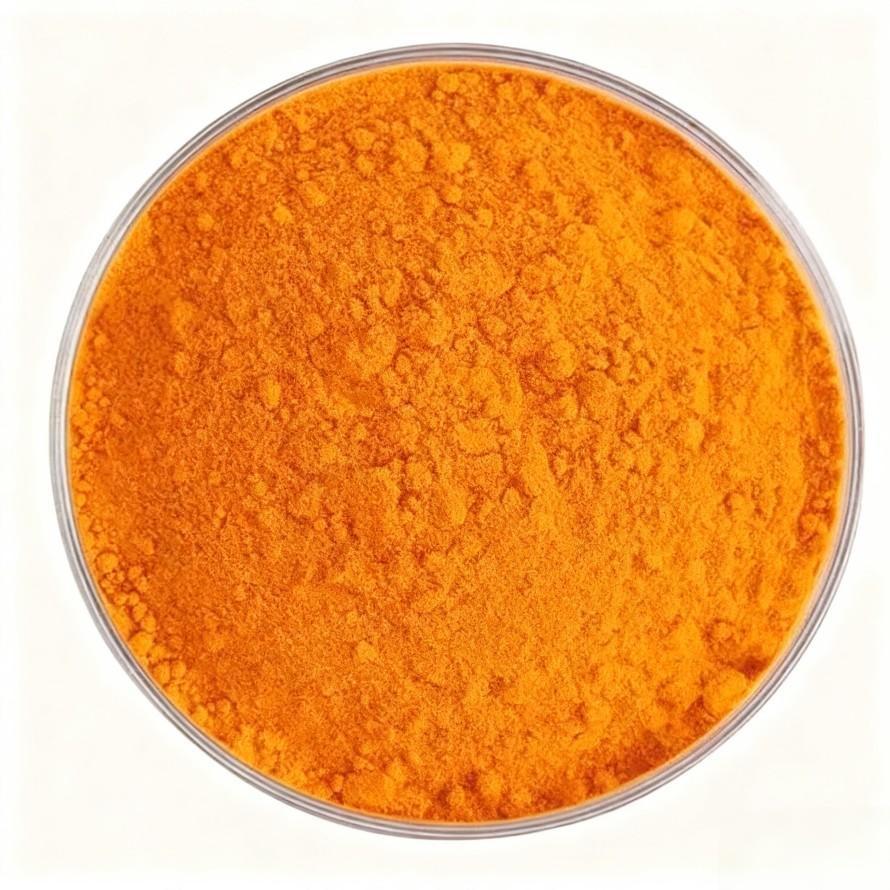
Choosing Green Spring Technology's lutein raw materials means selecting a scientifically validated, reliably sourced eye health solution. We are committed to providing comprehensive services from fundamental research to application support, jointly advancing the development of the eye health industry.
Part Two: Diverse Application Scenarios for Lutein Raw Materials
Lutein has become an indispensable functional ingredient in the wellness industry and modern agriculture due to its unique visual protection properties, coloring characteristics, and safety profile. Green Spring Technology's high-quality, multi-specification lutein raw materials are driving product innovation across multiple sectors:
1. Dietary Supplements & Health Foods
As a core ingredient enhancing eye protection efficacy, lutein finds its most extensive application in health foods.
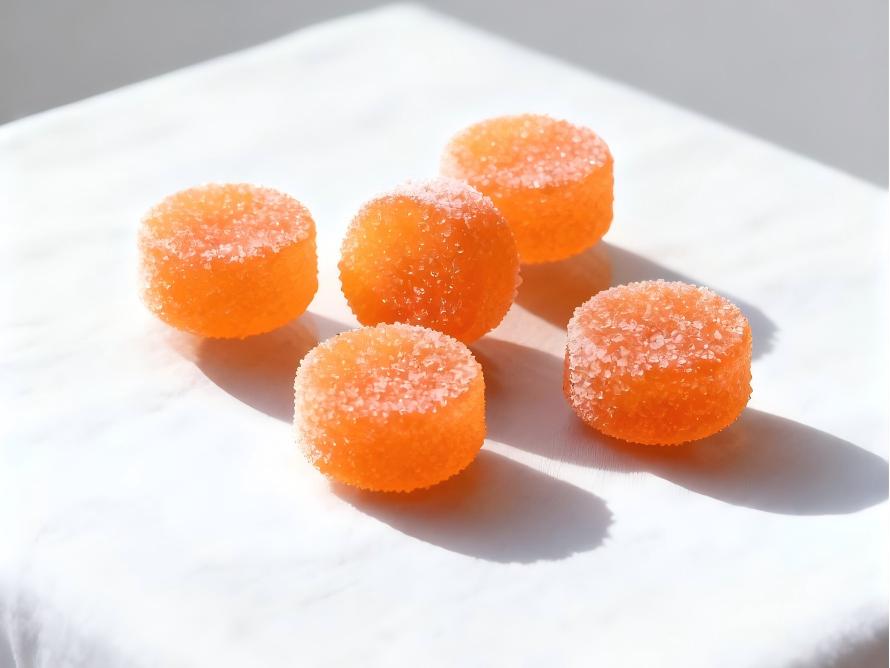
· Application Forms: Softgels, hard capsules, tablets, oral liquids, gummies, etc.
· Core Value: Helps supplement dietary deficiencies, supports visual health, particularly suited for individuals who use electronic devices for extended periods, students, and elderly with declining vision function.
2. Functional Foods and Beverages
With the growing acceptance of the “medicinal and dietary origins” concept, lutein infuses health benefits into everyday foods.
· Application Forms: Dairy products, solid beverages, functional candies, foods for special medical purposes
· Core Value: Adds natural yellow color while providing eye protection, meeting consumer demand for “delicious and healthy” options. Our water-soluble lutein raw material is particularly suitable for clear beverage systems
3. Infant Formula Milk Powder
Lutein is a vital nutrient for infant visual development and is permitted in infant formula foods across multiple countries and regions.
· Application Forms: Infant formula milk powder, infant complementary foods
· Core Value: Supports infant visual system development, mimics breast milk nutritional components, enhances product competitiveness
4. Animal Nutrition & Pet Food
In animal nutrition, lutein's application value has expanded further:
4.1 Poultry Farming & Egg Quality Improvement
· Application Areas: Laying hen feed, specialty poultry feed
· Core Value:
· Egg Yolk Coloration: Feed supplementation effectively enhances yolk color, achieving a more natural golden hue that meets consumer visual expectations for premium eggs
· Poultry Health: Supports visual health in poultry, improves reproductive performance, and enhances farming profitability
4.2 Aquaculture
· Application Areas: Ornamental fish feed, commercial fish farming
· Core Benefits:
· Enhanced Body Coloration: Improves the surface coloration of ornamental fish, boosting their aesthetic appeal
· Growth Promotion: Supports visual development in aquatic animals, increasing feeding efficiency and survival rates
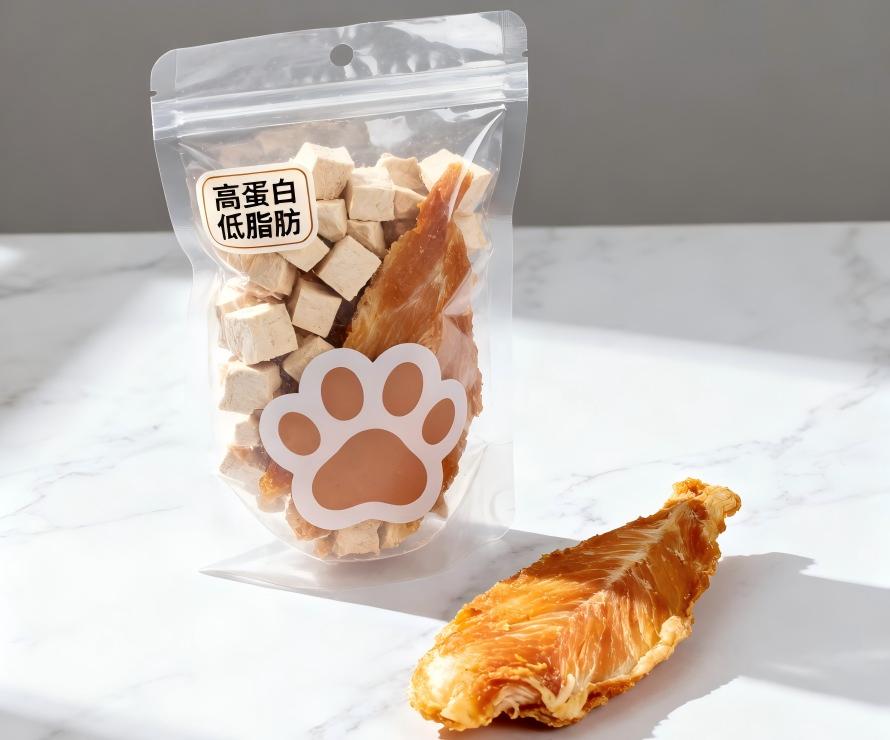
4.3 Pet Food
· Application Areas: Pet staple foods, pet nutritional supplements
· Core Value: Supports pet vision health, improves coat luster, provides antioxidant benefits, and enhances overall vitality and quality of life
5. Cosmetics and Personal Care Products
Lutein's antioxidant properties also demonstrate application potential in cosmetics.
· Application Forms: Eye creams, eye serums, facial skincare products
· Core Value: Helps reduce oxidative stress on the eye area, providing comprehensive care for the delicate skin around the eyes when combined with other active ingredients
Part Three: Lutein's Biological Mechanism of Action
As a vital carotenoid, lutein's biological effects are grounded in rigorous scientific evidence. Green Spring Technology strictly adheres to raw material compliance requirements and objectively outlines lutein's established mechanisms of action below. All statements comply with dietary ingredient and cosmetic raw material regulations.
1. Blue Light Filtering and Physical Barrier Effects
Lutein is the primary pigment in the macular region of the retina, selectively absorbing high-energy blue light. Its molecular structure, featuring a conjugated double bond system, enables effective filtering of visible light wavelengths between 400-500nm. This reduces the intensity of light reaching photoreceptor cells and retinal pigment epithelial cells, thereby helping to lower the risk of light-induced oxidative damage.
2. Antioxidant and Free Radical Scavenging Mechanisms
Lutein possesses the ability to quench singlet oxygen and scavenge free radicals. Its conjugated double bonds act as electron acceptors, neutralizing reactive oxygen species and helping to mitigate oxidative stress levels in retinal tissues. This antioxidant property protects cell membrane lipids from peroxidation damage, maintaining cellular structural integrity.
3. Cell Membrane Stabilization
Lutein's hydrophilic-lipophilic balance allows it to embed within the cell membrane bilayer. Research indicates lutein forms specific orientations within the membrane, helping maintain structural stability. By regulating membrane fluidity and permeability, it supports normal cellular physiological functions.
4. Inflammatory Response Regulation
In vitro studies suggest lutein may influence inflammatory mediator expression by modulating signaling pathways such as nuclear factor kappa-B (NF-κB). This regulatory action helps maintain balanced cellular inflammatory responses, though specific mechanisms require further validation.
Part Four: Selecting High-Quality Lutein Ingredients
Professional and comprehensive evaluation is fundamental to ensuring product quality during lutein ingredient procurement. Based on industry experience and scientific standards, we recommend considering the following five dimensions to facilitate optimal decision-making.
1. Specifications and Form: Scientific Selection Based on Product Formulation
(1) Scientific Basis for Form Selection
· Standard powders (e.g., 5%, 80% concentration)
· Suitable dosage forms: Hard capsules, tablets, solid beverages, milk powder
· Key Parameters: Particle size distribution (D50, D90), angle of repose (assessing flowability), bulk density
· Advantages: Easy to blend, suitable for dry manufacturing processes
· Oil Suspension (e.g., 10%-20% concentration)
· Applicable Dosage Forms: Soft capsules, functional oils
· Key Parameters: Peroxide value, viscosity, stability at different temperatures
· Advantages: High bioavailability, suitable for lipophilic systems
· Water-soluble/water-dispersible (e.g., 5%, 20% concentration)
· Applicable dosage forms: Beverages, dairy products, water-soluble gummies
· Technical key points: Encapsulation technology (e.g., microencapsulation), zeta potential (assessing dispersion stability)
· Advantages: Overcomes bioavailability limitations, expands application scenarios
(2) Strategic Concentration Selection
· High concentration (80%): Suitable for premium health supplements, reduces carrier additives, enhances formulation flexibility
· Medium concentration (10%-20%): Universal choice balancing cost and efficacy
· Low concentration (5%): Suitable for general foods with minimal additive requirements
2. Purity and Stability: Core Indicators of Quality Control
(1) Purity Verification System
· Active Ingredient Content: Verified via HPLC, with batch-to-batch variation <5%
· Impurity Control:
· Heavy Metals: Lead <0.5mg/kg, Arsenic <0.2mg/kg
· Microorganisms: Total Colony Count <1000 CFU/g, Mold <100 CFU/g
· Solvent Residues: Compliant with USP/EP standards
(2) Key Stability Evaluation Points
· Accelerated Test Data: 40°C ± 2°C, RH 75% ± 5%, assess content change over 3 months
· Long-Term Stability: 25°C ± 2°C, RH 60% ± 5%, continuous monitoring for 24 months
· Light Stability: Evaluate degradation rate under specified light exposure conditions
3. Traceability and Quality System: Ensuring Safety from Source
(1) Full-chain Traceability Requirements
· Cultivation Traceability: Provide cultivation site information and pesticide usage records
· Production Process Traceability: Complete documentation from extraction, purification to packaging
· Batch Traceability: All production stages traceable via batch numbers
(2) Quality System Certification
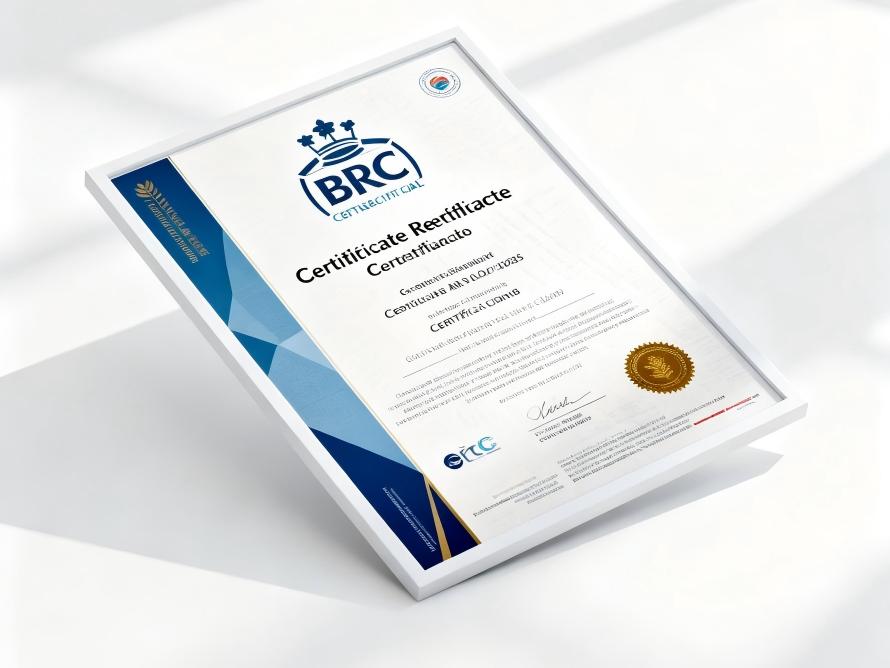
· Mandatory: ISO9001, FSSC22000/ISO22000
· Bonus: cGMP, BRC, IFS, and other international standard certifications
4. Compliance Documents & Certifications: Passports for Market Access
(1) Essential Document Checklist
· Certificate of Analysis (COA)
· Material Safety Data Sheet (MSDS)
· Detailed Specification Sheet
· Processing Method Description
(2) Certification Tier Classification
· Basic Certifications: Halal, Kosher
· Organic Certifications: USDA Organic, EU Organic
· Industry-Specific: COSMOS (Cosmetics), Non-GMO (Non-Genetically Modified)
5. Technical Support and Supplier Evaluation: Establishing Strategic Partnerships
(1) Technical Support Capability Assessment
· Does the supplier offer formulation recommendations?
· Does the supplier have an application laboratory?
· Can the supplier provide stability study support?
· Does the supplier possess custom development capabilities?
(2) Comprehensive Supplier Evaluation
· Production scale and capacity
· R&D investment ratio
· Quality team configuration
· Customer service response speed
Selection Criteria Summary Table
Evaluation Dimensions | Core Metrics | Standard Requirements | Verification Methods |
Specification & Form | Particle Size Distribution | D50: 20-80μm | Laser Particle Size Analysis |
Flowability | Angle of Repose <40° | Angle of Repose Test
| |
Purity & Quality | Content Accuracy | Labeled Amount ±5% | HPLC Verification |
Heavy Metals | Compliant with USP Standards | ICP-MS
| |
Traceability System | Traceability | Full-chain Traceability | Document Review + On-site Audit |
Compliance Certification | Basic Certification | Halal/Kosher | Certificate Verification |
Organic Certification | USDA/EU | Certificate Verification | |
Technical Support | Response Time | Within 24 Hours | Actual Testing |
Through this system's evaluation framework, you will be able to scientifically select the most suitable lutein raw material supplier. Green Spring Technology has established a comprehensive quality assurance system across every dimension, and we welcome you to conduct on-site audits and sample testing at any time.
Part Five: Green Spring Technology's Comprehensive Lutein Solutions
After learning how to select premium raw materials, you will discover that Green Spring Technology is the strategic partner capable of fulfilling all your needs. We provide not only products but also complete solutions grounded in deep technical expertise and rigorous quality management.
I. Core Advantages: Building Unparalleled Competitive Barriers
1. Full Industry Chain Quality Control System
Starting from marigold seed selection, we have established comprehensive industry chain control:
· Dedicated Cultivation Bases: Established 2,000 acres of standardized cultivation bases in Yunnan, Gansu, and other regions
· GAP Management Standards: Implemented Good Agricultural Practices to ensure pure, pollution-free raw materials
· Green Extraction Technology: Utilized supercritical CO₂ extraction and membrane separation technology to eliminate solvent residues
· Intelligent Production: Fully equipped with automated control systems to guarantee batch consistency

2. Authoritative Certifications for Global Market Access
We hold authoritative certifications covering all target markets:
· Quality & Safety Systems: ISO9001, ISO22000, BRC, IFS, FDA Registration
· Organic Certifications: USDA Organic, EU Organic
· Religious Certifications: Halal, Kosher
· Cosmetic Certification: COSMOS
II. Standard Product Matrix: Meeting Diverse Demands
Based on deep market insights, we have developed a comprehensive product portfolio:
Product Name | Form | Lutein Content | Core Technology | Application Areas |
Powder | 80% Free-Form | High-Efficiency Saponification Process | Premium Health Supplements, Pharmaceuticals | |
Powder | 5% Free-Form | Carrier Optimization Technology | General Dietary Supplements | |
Water-Dispersible Powder | 20% Free-Form Lutein | Microencapsulation | Dairy Products, Solid Beverages
| |
Cold Water Soluble Powder | 5% Free-Form Lutein | Nano-Emulsification Technology | Functional Beverages, Gummies |
Product Feature Details:
1. Marigold Flower Extract Lutein Powder 80%
· Utilizes proprietary saponification process with conversion rate exceeding 98%
· Uniform particle size distribution (D50: 45±5μm) and excellent flowability
· Heavy metal content 50% below international standard limits
2. Food Grade 20% Lutein Powder Water Dispersible
· Fully dispersible within 30 seconds, with 24-month stability
· pH tolerance range 3.0-8.5, suitable for diverse food systems
· Encapsulation rate >95%, enhancing bioavailability by 3x
III. Customized Services: Empowering Your Products
We understand each client's unique requirements, offering in-depth customization:
1. Specification Customization
· Concentration Adjustment: Precise control within 5%-80% range
· Carrier Modification: Supports maltodextrin, microcrystalline cellulose, and other carriers
· Particle Size Customization: Tailored particle distribution based on equipment processes
2. Formulation Optimization Support
· Provide compatibility study data
· Assist in resolving technical challenges during product development
· Offer process recommendations based on your equipment parameters
3. Packaging Solutions
· Packaging options from 1kg to 25kg
· Nitrogen-flushed aluminum foil pouches for product stability
· Custom labeling services available upon request
IV. Technical Support System
1. Professional Application Laboratory
Equipped with advanced instruments including UPLC and laser particle size analyzers, offering:
· Compatibility prediction testing
· Accelerated stability studies
· Process parameter optimization
2. Comprehensive Technical Documentation
· Detailed product application guidelines
· Stability study data
· Safety and regulatory documentation
3. Rapid Response Mechanism
· Technical inquiries addressed within 24 hours
· Preliminary solutions provided within 48 hours
· Remote technical guidance support
Part Six: Q&A – Detailed Explanation of Common Lutein Raw Material Questions
During our technical support interactions with clients, we have compiled the following representative questions to help you gain deeper insights into the characteristics and applications of lutein raw materials.
Q1: What is the difference between lutein esters and free lutein? Which form is superior?
A: This is a highly important and specialized question. The primary distinctions are as follows:
Lutein esters are the naturally occurring form of lutein bound to fatty acids, primarily extracted directly from marigolds. They have a larger molecular weight and are relatively stable, but require enzymatic breakdown in the body for absorption and utilization.
Free lutein is obtained by saponifying lutein esters, resulting in a form with a smaller molecular weight that can be directly absorbed by the body, offering higher bioavailability.
Recommendations:
· For higher bioavailability and rapid onset, especially in pharmaceutical-grade and premium supplements, we recommend free-form lutein.
· For cost-effectiveness and processing stability in general food applications, lutein esters offer an economical and practical choice.
Green Spring Technology provides both forms and offers tailored recommendations based on your specific requirements.
Q2: What distinguishes your water-dispersible and cold-water-soluble lutein products?
Answer: Both products address lutein's application challenges in aqueous systems, but their technical principles and application characteristics differ:
Water-Dispersible Lutein (20%) employs microencapsulation technology to rapidly disperse in water, forming stable suspensions suitable for cloudy products like dairy and protein beverages.
Cold-Water Soluble Lutein (5%) employs nano-emulsification technology to achieve transparent dissolution without compromising product clarity. It is the ideal choice for clear beverages and water-soluble gummies.
Q3: How stable is the lutein raw material? What precautions should be taken during storage and use?
A: Lutein is sensitive to light, heat, and oxygen. However, we employ multiple technologies to ensure its stability:
Our safeguards:
· Nitrogen-flushed packaging in aluminum foil pouches to block oxygen and light
· Addition of natural antioxidants (e.g., vitamin E) to protect active ingredients
· Detailed storage condition guidelines provided
Usage recommendations:
· Storage conditions: Keep in a cool, dry place. Refrigerate for long-term storage.
· After opening: Use promptly and reseal tightly.
· During processing: Avoid prolonged high-temperature treatment. Add during later stages of production.
Q4: Why are lutein and zeaxanthin used together? What is the optimal ratio?
A: Lutein and zeaxanthin are the primary pigments in the macular region of the retina, exhibiting synergistic effects:
Scientific Basis:
Studies indicate that a 5:1 ratio of lutein to zeaxanthin more effectively forms “macular pigment optical density,” matching the natural ratio found in the human retina.
Our Solution:
We offer pre-blended lutein and zeaxanthin formulations with precisely controlled ratios to ensure optimal efficacy.
Q5: Are your lutein ingredients suitable for infant and toddler foods?
A: Yes, we offer multiple products specifically designed for infant and toddler food applications:
Suitable Products:
· Marigold Extract 5% Lutein Powder
· Food Grade 20% Lutein Powder Water Dispersible
Quality Assurance:
· Strict heavy metal and microbial control
· Compliant with infant food ingredient standards
· Comprehensive traceability documentation and test reports provided
Q6: How do we determine the lutein dosage in end products?
A: Dosage requires consideration of multiple factors:
Influencing Factors:
· Daily requirement for target demographic
· Product type and recommended serving size
· Regulatory permitted addition range
· Formulation compatibility and cost budget
Part Seven: Partnering for a Shared Future
At Green Spring Technology, we firmly believe successful collaboration stems from thorough communication and professional support. Regardless of your product development stage, our expert team stands ready to provide comprehensive assistance from concept to finished product.
Why Choose Green Spring Technology as Your Strategic Partner?
Expert Technical Team Support
· Staffed by senior application engineers and formulation specialists
· Offers one-on-one technical consultation services
· Arranges remote or on-site product technical exchange meetings
Comprehensive Customer Service Assurance
· Responds to technical inquiries within 24 hours
· Provides tailored solutions within 48 hours
· Sample delivery completed within 5 business days
· Seamless transition from small-batch trials to large-scale production
Take Action Now to Begin Our Partnership
We offer multiple convenient communication channels to ensure you receive professional support promptly:
Direct Contact
Green Spring Technology Co., Ltd.
Address: Room 604, Building A, National Digital Publishing Base, Tiangu 7th Road, High-Tech Zone, Xi'an, Shaanxi Province 710076, China
Tel: +86 29 88313578
Mobile/WhatsApp: +86 13649243917
Email: helen@greenspringbio.com
Website: https://www.greenspringnatural.com/
To serve your specific needs more efficiently, we offer the following dedicated channels:
1. Sample Request Channel
· Free technical documentation package
· Small-scale testing support (50g minimum)
· Compatibility guidance provided
2. Technical Consultation Channel
· Product formulation optimization recommendations
· Process parameter guidance
· Regulatory compliance consulting
3. Custom Service Consultation
· Special specification requirements
· Dedicated formulation development
· Joint R&D collaboration
Take action now!
-
Prev
Heat-Stable Phycocyanin Empowers Brands to Develop High-Temperature-Resistant Health Foods
-
Next
The Ultimate Solution for Natural Astaxanthin Ingredient