

 English
 French
 Spanish
 Russian
 Korean
 Japanese
Comprehensive Curcumin Ingredient Solution: Ensuring Purity, Stability, and Supply Reliability
Against the backdrop of a booming natural health products market, curcumin—a star functional ingredient—has seen exponential growth in demand. However, the industry's rapid expansion has also exposed systemic risks within the raw material supply chain. These risks not only affect the quality of individual products but directly impact the commercial security, innovation efficiency, and long-term reputation of end brands.
Challenge 1: Quality Consistency Crisis—The “Fluctuation Trap” from Source to Finished Product
Core Issue: Uncontrollable fluctuations in the chemical composition and physical properties of raw materials.
· Misleading Ingredient Labels: Products labeled as high-purity curcumin (e.g., 95%) may contain insufficient levels of core active compounds (curcumin, demethoxycurcumin, bisdemethoxycurcumin) or imbalanced ratios, causing their pharmacological effects to deviate from research evidence.
· Drifting Key Metrics: Significant batch-to-batch variations in critical quality indicators like color value, solvent residues, and heavy metals. This not only impacts final product appearance and stability but may also cause production halts due to non-compliant batches.
· Poor process adaptability: Physical properties like solubility, hygroscopicity, and particle size remain unoptimized, causing instability in client production processes (e.g., tableting, suspension, emulsification). This creates manufacturing challenges and cost inefficiencies.
Impact on clients:
· End products fail to consistently deliver promised efficacy, undermining brand credibility.
· Production lines require frequent process parameter adjustments, increasing management costs and waste.
· New product development cycles are forced to extend due to uncertain raw material performance.
Challenge 2: Safety and Compliance Risks—The “Iceberg” Hidden Behind Data
Core Issue: Insufficient supply chain transparency and fragile compliance documentation systems.
· Residual contaminants: Beyond risks from heavy metals and pesticide residues, residual extraction solvents (e.g., ethyl acetate) represent an easily overlooked chemical hazard.
· Microorganisms and Biotoxins: Root and rhizome materials stored improperly are prone to mold growth, posing potential aflatoxin contamination risks.
· Certification and Documentation Deficiencies: Incomplete or outdated compliance documents (e.g., COA, TDS, MSDS) from suppliers, or lack of authoritative third-party certifications (e.g., USDA Organic, EU Organic, ISO22000), expose clients to market access barriers and regulatory risks.
Impact on Clients:
· Significant risk of product delisting, recalls, or legal litigation.
· Barriers encountered when entering strictly regulated markets (e.g., Europe, America, Japan, Korea).
· Brand exposure to potential safety scrutiny, incurring high PR costs.
Green Spring Technology's comprehensive curcumin raw material solution is built upon this insight. Through vertically integrated supply chain management, lean production process control, and a customer-driven R&D system, we internalize raw material complexity to deliver certainty, safety, and innovation to our clients.
Part One: Green Spring Technology's Comprehensive Curcumin Raw Material Solutions
Addressing systemic challenges in the curcumin industry, Green Spring Technology has built a comprehensive solution system centered on “end-to-end control and deep empowerment.” We offer a complete product matrix ranging from standardized to highly customized solutions. Backed by robust quality, compliance, and technical support, we systematically mitigate risks, unlock maximum raw material value, and empower your product innovation and market success.
Benefit 1: Standard Product Matrix Covering Mainstream Market Demands
To meet fundamental customer needs for high quality, reliable supply, and compliance, we offer a market-proven portfolio of mature standard products. All products are manufactured under a rigorous quality system and come with complete compliance documentation.
Our core standard products include:
Product Name
| Specification (Typical Value) | Key Characteristics and Application Recommendations |
| Curcuminoids 95%
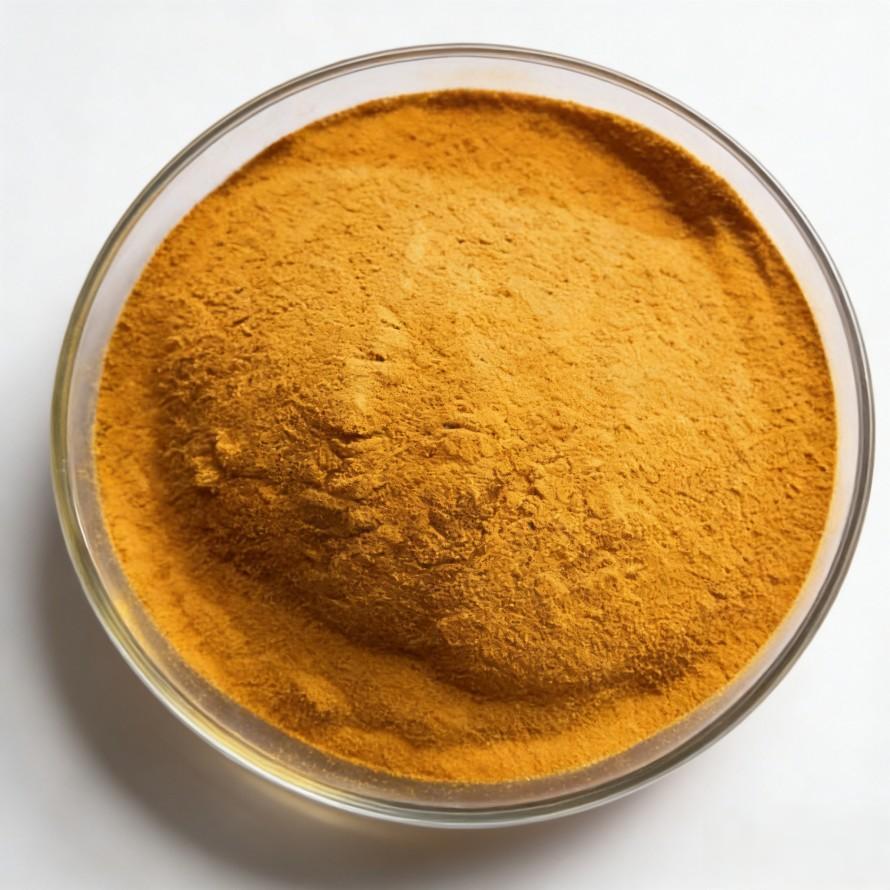
| Rich in three active curcuminoids (typically Curcumin ≥75%), featuring natural coloration. A classic, cost-effective choice for dietary supplements (capsules, tablets) and functional foods. |
High-Purity Curcumin
|
| A high-purity raw material dominated by the single component curcumin, featuring vibrant color and stable purity. Suitable for health supplements and premium applications requiring precise dosage control and high-standard claims. |
Turmeric Root Extract (High Specification)
|
| An industry-leading product with total curcuminoid content exceeding 98%, featuring exceptionally high active ingredient concentration. Ideal for flagship product development targeting peak efficacy and differentiated positioning. |
| Curcuminoids 95%
| Similar to the first product, this clearly specifies turmeric root as the source material, emphasizing its natural attributes. It meets market and customer demands for explicit sourcing requirements and offers comprehensive organic certification options. |
We also supply other specifications commonly found in the market:
· Standard Specifications: Turmeric Extract (Curcumin Compounds 10%, 20%, 40%, 60%, 80%)
· Customized Ratios: Tailored to meet specific client requirements for the ratio of three curcumin monomers (Curcumin/Demethoxycurcumin/Bisdemethoxycurcumin).
Benefit 2: Deep Customization Solutions for Unique Needs
We understand that standard products cannot meet all innovation demands. Green Spring Technology's core strength lies in our robust flexible customization capabilities, transforming your unique concepts into reality.
· Physical Form and Property Customization:
· Particle Size Customization: Options range from coarse granules to micronized powders (e.g., D90<50μm) to optimize dissolution rate, bioavailability, or product transparency.
· Granulation Processing: Enhances powder flowability, prevents moisture-induced caking, and facilitates precise dosing in automated production.
· Carrier Premixing: Pre-blends with carriers like maltodextrin or silica to achieve standardized content and simplify your production process.
· Technology-Driven Customization:
· Bioavailability Enhancement Solutions: Provide validated formulations like phospholipid-complexed curcumin or cyclodextrin-encapsulated curcumin to significantly boost in vivo absorption rates.
· Application-Specific Solutions: Develop highly soluble, stable liquid formulations for clear beverages; create oil-dispersible or water-dispersible forms for skincare products that are easy to formulate and maintain color stability.
· Compliance & Certification Customization:
· Deliver dedicated batches with specific certifications (e.g., USDA Organic, COSMOS, Halal, Kosher) tailored to your target markets.
· Customize solvent residue limits or specific contaminant control standards aligned with your corporate specifications.
Benefit 3: End-to-End Quality Control and Compliance Assurance
All products—standard or customized—are born from our unified, rigorous management system.
· Full-chain quality control: From managed contract farming at the source, through digital production monitoring based on GMP and ISO22000, to triple testing before shipment (raw materials, process, finished product), ensuring traceability and verification at every stage from field to finished bottle.
· Global Market Access Compliance Support: Our facilities and products hold authoritative certifications including BRC GS (Grade AA), IFS, ISO9001, FDA registration, USDA/EU Organic, COSMOS, Halal, and Kosher. We provide comprehensive compliance documentation packages (TDS, COA, MSDS, certificates, etc.) to ensure seamless entry into major global markets.
Our Commitment
Choosing Green Spring Technologies means gaining not just curcumin raw materials, but a reliable, agile, and professional strategic partner. Through our extensive standard product portfolio, industry-leading customization capabilities, rock-solid quality compliance system, and deep technical support.
Part Two: Scientific Understanding of Turmeric Extracts and Curcumin
Gaining a deep scientific understanding of curcumin raw materials is fundamental for effective product development and market communication. This section clearly analyzes core concepts, ingredient differences, and selection logic to help you make more professional and precise raw material decisions.
I. Basic Definitions: From Plant to Active Molecules
1. Turmeric Extract
· Source: A product derived from the dried rhizomes of Curcuma longa L., processed through solvent extraction, concentration, and standardization.
· Composition Characteristics: A complex containing multiple active components, with its primary active ingredients being a group of fat-soluble polyphenols known as “curcuminoids.” It may also contain other plant constituents such as volatile oils and polysaccharides.
· Key Identification: Product specifications are typically labeled by the total content of “Curcuminoids” (e.g., “Curcuminoids 95%”).
2. Curcumin
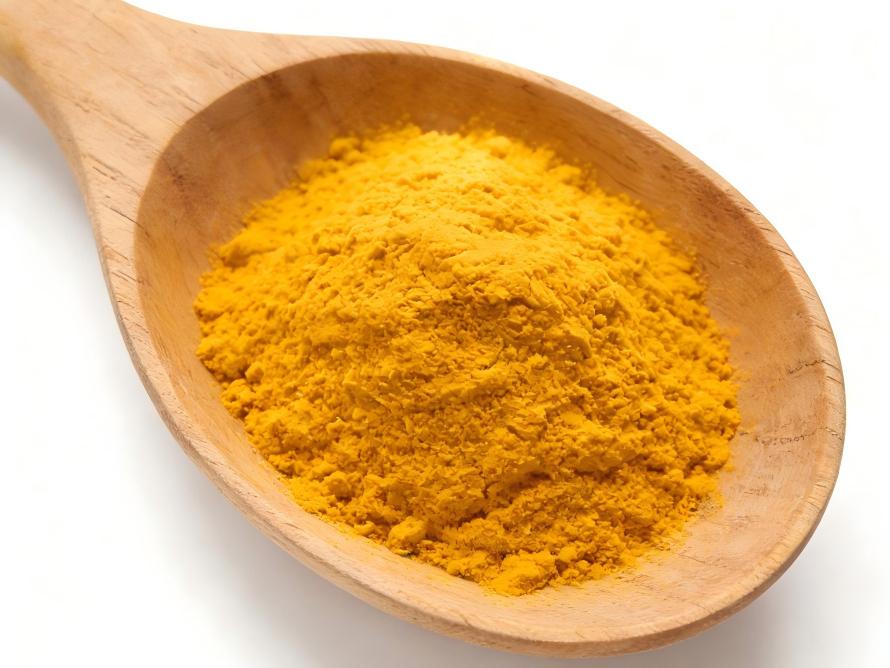
· Chemical Definition: Refers specifically to the primary and most extensively studied single chemical component within the curcuminoids, chemically named diferuloylmethane.
· Clarification: In commercial contexts, “95% curcumin powder” generally denotes a raw material primarily composed of high-purity, pure curcumin. However, in scientific and regulatory documents, “curcumin” may sometimes refer broadly to curcuminoids. Accurate differentiation requires consideration of context and the product specification sheet (TDS).
II. Core Active Ingredients: The “Golden Triangle” of Curcuminoid Compounds
The primary efficacy of turmeric extract stems from the following three curcuminoid compounds, whose synergistic interaction forms the foundation of its biological activity:
Ingredients
| Chemical Name | Typical Percentage in Extract | Characteristics/Notes
|
Curcumin I
| Bisdemethoxycurcumin
| Approx. 70%-75%
| The primary active component, targeted in the vast majority of in vitro and in vivo studies. Key contributor to antioxidant activity. |
Demethoxycurcumin (Curcumin II)
| Demethoxycurcumin
| Approximately 15%-20%
| Possesses unique bioactive pathways; research indicates it may exhibit similar or synergistic effects to curcumin in certain aspects. |
Bisdemethoxycurcumin (Curcumin III)
| Bisdemethoxycurcumin
| Approximately 5%-10% | Lowest molecular weight; studies suggest it may exert specific cellular signaling regulatory effects. |
Scientific Insights: A growing body of research indicates that the synergistic effects of the “Golden Triangle” may yield broader or more balanced health benefits than a single high-purity curcumin. Therefore, the choice between turmeric extracts (containing the full complex of compounds) or high-purity single curcumin depends on your product positioning and desired mechanism of action.
III. How to Select Raw Material Types Based on Product Objectives
Product Development Objectives | Recommended Raw Material Types | Core Rationale |
Pursuing High Cost-Effectiveness and Broad Health Support
| Turmeric Extracts (e.g., Curcuminoids 95%)
| Preserves complete plant synergistic components, closely mimics traditional usage forms, offers high cost-effectiveness, and is suitable for mass-market dietary supplements. |
Emphasizing Cutting-Edge Technology and Precise Dosage
| High-Purity Curcumin Powder (e.g., 95% Curcumin)
| Single, clearly defined ingredient facilitates precise formulation of high-dose products and “high-content” marketing claims, commonly found in premium health supplements. |
Focusing on Topical Skin Application and Formulation Stability
| Curcumin with Inclusion Complexes or Emulsification | Improves water dispersibility, color stability, and transdermal absorption rates, addressing common technical challenges in skincare formulations. |
Overcoming Absorption Barriers
| Phospholipid-Complexed Curcumin or Cyclodextrin-Incorporated Curcumin | Technologically validated to significantly enhance oral bioavailability (by several to dozens of times), making product efficacy more competitive. |
Clean Label or Organic Certification Compliance | Organic-Certified Turmeric Extract | Meets stringent market and consumer demands for raw material sourcing and processing, elevating product brand value. |
Professional Advice: During the initial stages of product development, clearly defining your target audience, efficacy positioning, dosage form technology, and regulatory markets is essential for selecting the most suitable curcumin raw material type. Green Spring Technology's technical team can provide tailored guidance for material selection.
Part Three: Diverse Application for Curcumin Raw Materials
Leveraging its exceptional natural properties, robust scientific backing, and widespread market recognition, curcumin raw materials have successfully expanded beyond traditional dietary supplements into high-growth sectors including functional foods, beverages, cosmetics, and animal nutrition. Green Spring Technology not only supplies premium-quality ingredients but also deeply understands the specific requirements of each application scenario, delivering precise solutions to co-create new market opportunities.
I. Dietary Supplements and Health Products: The Foundation of Precision Nutrition
This represents the most mature and largest market segment for curcumin, evolving toward precision, efficiency, and enhanced user experience.
· Core Formulations and Trends:
· Classic Capsules and Tablets: Pursuing high dosage and bioavailability. Curcumin products utilizing phospholipid complexing and cyclodextrin inclusion technologies have become mainstream, meeting consumer demands for “rapid effects and superior absorption.”
· Convenient Solid Beverages and Instant Powders: Positioned for daily wellness and sports recovery. Addressing curcumin's water dispersibility and taste (bitter flavor masking) is essential. Our customized raw materials—micronized, flavor-encapsulated, or pre-mixed with vegetable fat powder—offer perfect compatibility.
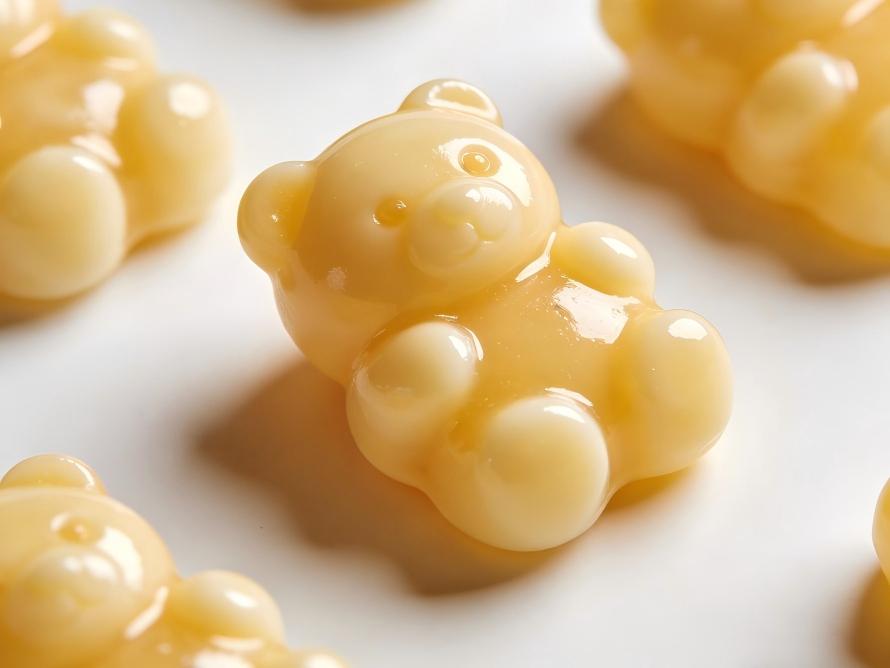
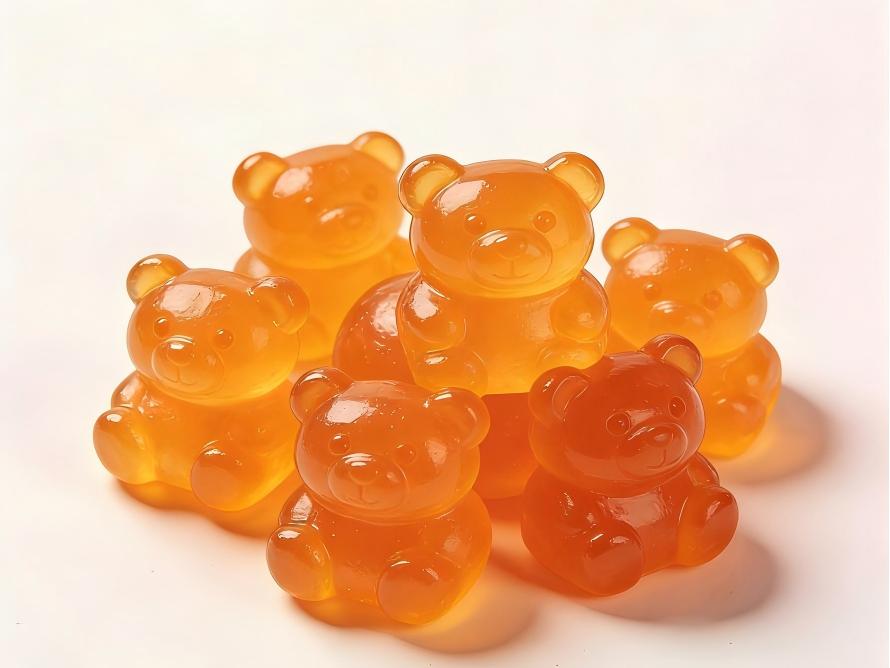
· Gummies and Chewables: Targeting younger consumers and children. Key challenges include mitigating curcumin's intense color impact on product appearance and ensuring stability in sugar- and acid-containing environments. We provide color stabilization solutions.
· Green Spring Solution Entry Points:
· Supply ingredients with diverse bioavailability technologies (standard extracts, phospholipid complexes, inclusion complexes) to meet varied product positioning.
· For formats like gummies, offer specialized ingredients with softer hues or color stabilization.
· Provide comprehensive stability data to ensure efficacy remains intact throughout shelf life.
II. Functional Foods & Beverages: Infusing “Golden” Benefits into Daily Consumption
Integrating health benefits into everyday diets is key to explosive market growth. Curcumin delivers a natural “golden” hue and health halo to products.
· Innovative Application Scenarios:
· Golden Milk & Plant-Based Beverages: Serves as a core functional ingredient and natural colorant, creating a unique selling point. Requires long-term stability in dairy or plant-protein systems to prevent precipitation and color fading.
· Functional Fermented Foods: Added to yogurt and kombucha to deliver dual benefits of “digestive health + antioxidants.” Requires verification of compatibility with fermentation cultures.
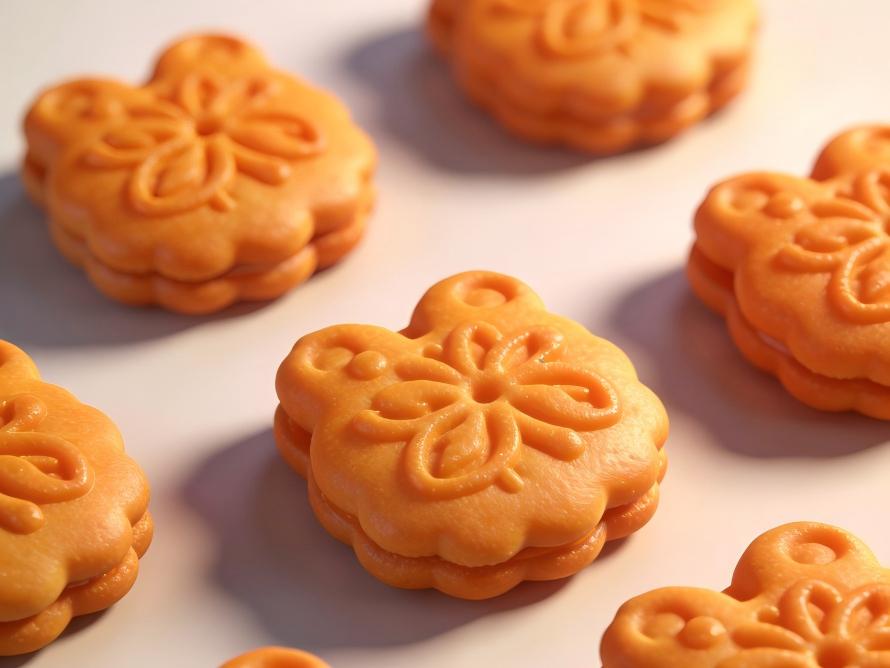
· Snacks and Baked Goods: Such as energy bars, cookies, and cereals. Focus on curcumin's thermal stability during high-temperature processing and its impact on flavor.
· Condiments and Sauces: Such as curry paste and salad dressings, enhancing traditional applications while adding value.
· Green Spring Solutions Entry Points:
· Provide water-soluble or water-dispersible modified curcumin ingredients specifically for clear or cloudy beverages, addressing sedimentation and “wall clinging” issues.
· Offer compatibility testing services in application labs to evaluate color and chemical stability of ingredients in specific food matrices (e.g., beverages at specific pH levels, fat-containing dairy products).
· Customizable ingredients with enhanced heat resistance for high-temperature processes like baking.
III. Animal Nutrition & Pet Health: A New Dimension of Care
As the trend of humanizing pet care deepens, curcumin—with its natural anti-inflammatory and antioxidant support—is rapidly gaining traction in the pet wellness sector.
· Key Application Areas:
· Pet Joint Health: Targets senior dogs and cats to support joint flexibility and comfort.
· Pet Digestive & Immune Support: Serves as a natural functional additive to promote overall wellness.
· Aquaculture & Livestock: Explored as a potential feed additive to enhance animal health and production performance.
· Special Requirements:
· Palatability: Pet foods demand exceptional flavor profiles; ingredients must effectively mask off-flavors.
· Formulation Adaptability: Must be suitable for various forms including pet treats, wet food, dry food, or nutritional pastes.
· Safe Dosage: Requires clear recommended addition levels and supporting safety data.
Part Four: Scientific Interpretation and Regulatory
Modern research indicates that the health benefits of curcumin compounds stem not from a single action, but from influencing multiple key intracellular signaling pathways and molecular targets. Its primary mechanisms can be summarized in three interconnected core aspects:
1. Exceptional Antioxidant Activity: The First Line of Cellular Defense
· Scientific Mechanism: The phenolic hydroxyl group in curcumin's molecular structure effectively neutralizes and scavenges free radicals (such as reactive oxygen species ROS and reactive nitrogen species RNS). Crucially, it upregulates the activity of multiple endogenous antioxidant enzymes (e.g., superoxide dismutase SOD, glutathione peroxidase GPx), thereby strengthening the body's intrinsic antioxidant defense system.
2.Cellular Protection and Signal Modulation
· Scientific Mechanism: Curcumin influences multiple factors and pathways related to cell cycle, proliferation, and survival. It may also exert broad cellular health support through epigenetic mechanisms (e.g., histone modifications).
Part Five: How to Select High-Quality Curcumin Raw Materials—A Professional Procurement Guide
Selecting curcumin raw materials is a comprehensive strategic decision directly impacting the success of end products. This guide provides a systematic evaluation framework to help you move beyond simple price comparisons and identify truly reliable strategic partners through multi-dimensional screening of quality, compliance, supply, and technology.
I. Core Quality Metrics Evaluation System
1. Chemical Specifications: Beyond “Purity”
· Active Ingredient Content and Authenticity:
· Key Point: Verify whether the supplier's stated “purity” refers to total curcuminoids or the single compound curcumin. Request detailed high-performance liquid chromatography (HPLC) spectra clearly showing the peaks and ratios of the three primary curcuminoids (Curcumin, Demethoxycurcumin, Bisdemethoxycurcumin).
· Green Spring Practice: We provide comprehensive HPLC reports with each shipment, clearly labeling component concentrations to ensure ingredient transparency and accurate labeling.
· Critical Contaminant Control:
· Mandatory Testing: Heavy metals (lead, arsenic, cadmium, mercury), pesticide residues, microbial limits (total plate count, mold/yeast, coliform bacteria).
· High-Risk Items: Solvent residues (e.g., ethanol, ethyl acetate). Excessive solvent residues constitute major defects, especially for ingredients labeled “natural” or used in premium products.
· Green Spring Practice: Our internal standards exceed most pharmacopoeias, conducting batch testing for the above contaminants. We can provide stricter customized limit standards upon customer request.
2. Physical and Sensory Characteristics
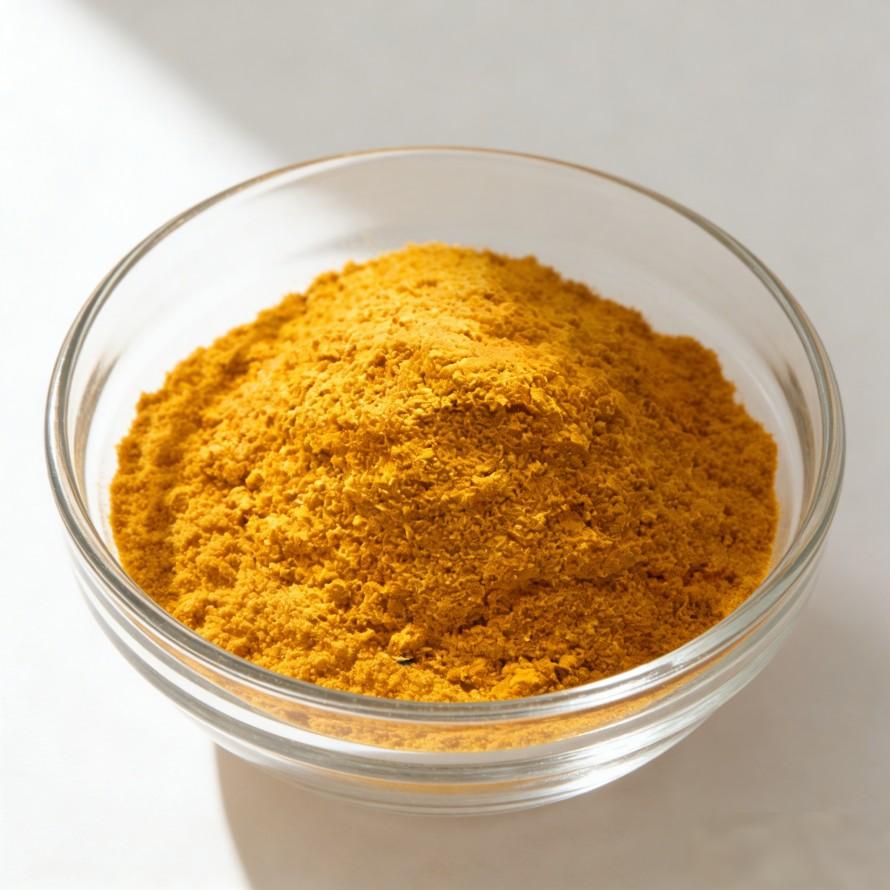
· Appearance and Color: Uniform orange-yellow to reddish-brown powder with high color consistency between batches. Color abnormalities may indicate overprocessing or adulteration.
· Odor and Taste: Characteristic turmeric aroma; no off-odors like moldiness or burnt notes. Distinctively pungent taste with a mildly bitter aftertaste.
· Particle Size and Solubility: Selected based on your formulation process. e.g., beverage applications require water solubility or water dispersibility; tableting processes require flowability (evaluated via bulk density and angle of repose).
· Green Spring Practice: We document and control critical physical parameters, offering customized services (e.g., micronization, granulation) to meet specific process requirements.
II. In-Depth Supply Chain & Compliance Review
1. Traceability & Source Credibility
· Key Question: “Where does your raw material originate? Can you provide a complete traceability chain from cultivation batch to finished product batch?”
· Key Review Points: Require suppliers to provide certificates of origin and cultivation management records (e.g., GAP compliance). Excellent suppliers maintain strong control over their upstream supply chain.
· Green Spring Practice: We implement contract farming and manage proprietary cultivation bases, achieving full digital traceability from field to product. This ensures clear, controllable sourcing for every batch of raw materials.
2. Completeness of Certification and Documentation Systems
· Factory certification is foundational: Prioritize factories holding globally recognized food safety management certifications like ISO22000, FSSC22000, BRC, or IFS. This signifies systematic quality assurance capabilities.
· Product certifications meet market access requirements: Verify supplier certifications based on target markets:
· Organic markets: USDA Organic, EU Organic.
· Halal/Kosher markets: Halal, Kosher.
· Natural cosmetics market: COSMOS, NATRUE.
· Documentation packages must be complete and professional: Standard documentation should include: Technical Data Sheets (TDS), Certificate of Analysis (COA), Material Safety Data Sheets (MSDS/SDS), and all relevant certification documents. Documentation must be professional, clear, and consistent in information.
· Green Spring Practice: We hold all core certifications mentioned above and have established a one-stop document generation and management system, ensuring clients can quickly and accurately obtain required compliance documents.
III. Supplier Capability and Partner Value Assessment
1. Technical Responsiveness and Customization Capabilities
· Testing: Present a specific application challenge (e.g., “I want to create a transparent turmeric sparkling water. How can we solve sedimentation and discoloration issues?”). Evaluate whether suppliers offer only standard products or can provide solutions grounded in science and experience.
· Key Evaluation Points: Does the supplier operate an application laboratory? Are they willing and capable of delivering customized products (e.g., specific purity levels, ratios, physical forms, compound formulations)?
· Green Spring Practice: Our dedicated Application R&D Center provides formulation compatibility testing, stability studies, and joint development services, embedding technical support throughout the entire collaboration.
2. Quality Stability and Supply Assurance
· Historical Data Review: Request COAs for the past year or at least six consecutive batches to compare fluctuations in key metrics (e.g., purity, solvent residues) and assess process stability.
· Production Capacity & Supply Chain Resilience: Understand their production scale and primary raw material inventory strategies to evaluate their ability to respond to market demand fluctuations and unexpected risks.
· Green Spring Practice: We employ Statistical Process Control (SPC) to manage production, ensuring high quality stability, and implement strategic raw material reserves to guarantee supply continuity.
3. Regulatory Knowledge and Market Insight
· Assessment: Does the supplier understand regulatory developments in your target market (e.g., new ingredient notifications, claim regulation changes)? Can they provide relevant regulatory information support?
· Green Spring Practice: Our regulatory affairs team continuously monitors changes in key global markets, providing proactive information and strategic advice for clients' global market expansion.
IV. Decision Checklist
Before finalizing your decision, verify the following:
· Ingredient Authenticity: Clear HPLC reports with accurate ingredient labeling.
· Safety Compliance: Complete contaminant testing reports meeting your internal control standards.
· Quality Stability: Multi-batch COA data shows minimal variation in key indicators.
· Traceability: Credible sourcing information for raw materials is provided.
· Documentation Completeness: Full set of compliance certifications and documents required for target markets are available.
· Technical Alignment: Capable of addressing your specific application challenges with customization capabilities.
· System Reliability: The manufacturing facility holds internationally recognized quality management system certifications.
· Responsive Service: Smooth communication with professional, timely technical feedback.
Selecting a supplier fundamentally means choosing a long-term partner to share risks and co-create value.
Through this systematic evaluation approach, you can effectively identify and secure premium partners like Green Spring Technology—those grounded in exceptional quality and oriented toward deep collaboration—laying the most solid raw material foundation for your product's success.

Part Six: Frequently Asked Questions About Curcumin Raw Materials
Q1: What are the differences between turmeric extract, curcuminoids, and curcumin (single compound)?
· A: This is the most critical distinction.
· Turmeric Extract: A mixture extracted from turmeric rhizomes, with curcuminoids as the core active ingredients, typically containing other botanical components. Product specifications are labeled by total “curcuminoids” content.
· Curcuminoids: A collective term for the three primary active components: curcumin, demethoxycurcumin, and bisdemethoxycurcumin.
· Curcumin (single compound): Specifically refers to the single chemical substance within curcuminoids that has the highest concentration and the most extensive research. The “95% curcumin powder” commonly found on the market typically refers to a high-purity product of this single compound.
· Selection Recommendations: For those seeking natural synergistic effects and high cost-effectiveness, choose turmeric extract (labeled as Curcuminoids). For those prioritizing precise high dosages and single-compound claims, opt for high-purity single-curcumin.
Q2: What do the numbers like 95% or 98% in specifications specifically represent?
· A: These numbers represent the standardized content of the active ingredient in the product.
· For turmeric extracts, this number indicates the percentage of total curcuminoid compounds.
· For curcumin powder, this number indicates the percentage of pure curcumin.
· Key point: Higher purity (e.g., 98%) typically means greater potency and fewer impurities, but also higher cost. Choose based on the product's intended efficacy and cost structure.
Q3: Why is regular curcumin poorly absorbed? What solutions exist?
· A: Regular curcumin exhibits poor water and fat solubility, coupled with rapid metabolism in the gut and liver, resulting in low oral bioavailability. This is the core challenge in its application.
· Mainstream solutions:
1. Combining with absorption enhancers: The most classic approach is blending with piperine (black pepper extract), which significantly inhibits metabolism and multiplies absorption.
2. Advanced formulation techniques: Utilizing phospholipid complexes, cyclodextrin inclusion complexes, nanoemulsions, or micellarization can substantially improve solubility, stability, and transmembrane absorption rates, boosting bioavailability by tens of times.
· Green Spring Solutions: We offer standard curcumin, piperine-enhanced formulations, and various high-tech bioavailability-enhanced products (e.g., phospholipid-complexed curcumin) to meet diverse requirements.
Q4: Curcumin tends to discolor or precipitate in food or skincare products. How can this be addressed?
· A: Discoloration (oxidative fading or browning) and precipitation primarily relate to light, heat, oxygen, pH levels, and formulation compatibility.
· Solutions:
· Formulation Process: Optimize formulation pH, incorporate antioxidants (e.g., vitamins C and E), use light-protective packaging, and control temperature and oxygen exposure during production.
· Raw Material Selection: Choose curcumin materials with stabilization treatments (e.g., encapsulation, microencapsulation) or opt for water-dispersible specialty ingredients.
· Green Spring Support: We offer application stability testing services and can recommend or customize stabilized raw materials suited to your specific system.
Q5: What are the benefits of curcumin in cosmetics? How can it be added compliantly?
· A: In cosmetics, its primary benefits stem from antioxidant and soothing properties, enabling claims for anti-aging, skin brightening, and skin comfort.
· Compliance:
· In China, turmeric (CURCUMA LONGA) root extract is an approved cosmetic ingredient, requiring compliance with the “Cosmetic Safety Technical Specifications.”
· Safety assessments must be conducted during formulation to ensure usage remains within safe limits.
· Claims must be scientifically substantiated and must not involve medical indications.
Q6: How can the actual quality and safety of a batch of curcumin raw material be verified?
· A: Do not rely solely on the specification sheet. You must:
1. Review the COA: Request the supplier to provide an analytical report for that specific batch issued by an authoritative third-party laboratory, focusing on verifying key indicators such as purity, heavy metals, and solvent residues.
2. Conduct independent testing: For new suppliers or critical batches, sample testing at accredited third-party labs is recommended for parallel verification.
3. Review complete documentation: Verify validity and consistency of TDS, MSDS, and relevant certification documents.
Q7: What key certifications does Green Spring Technology hold? What do these certifications mean for me?
· A: Our core certifications include:
· Quality & Safety Systems: BRC GS (Grade AA), IFS, ISO9001, ISO22000, FDA Registration. This signifies our production management system meets globally recognized food/pharmaceutical-grade standards with minimal risk.
· Organic Certifications: USDA Organic, EU Organic. This means our organic products comply with strict organic standards from cultivation to processing, enabling direct use in organic end-product manufacturing.
· Religious & Natural Certifications: Halal, Kosher, COSMOS. These provide access to specific consumer markets (e.g., Muslim, Jewish, premium natural cosmetics).
· Value to You: Reduces your compliance risks and audit costs. You can directly reference our certifications to accelerate your products' entry into target markets.
Q8: Does Green Spring Technology offer customization? What is the process and timeline?
· A: Yes, customization is one of our core strengths.
· Customization Scope: Includes but is not limited to specific purity/ratios, physical characteristics (particle size, flowability), technical forms (inclusions, phospholipid complexes), solvent residue standards, premix formulations, and proprietary certified products.
· General Process: Requirement discussion → Technical feasibility assessment and solution design → Sample provision and specification confirmation → Commercial terms confirmation → Production scheduling and delivery.
· Lead Time: Varies from several weeks to months based on customization complexity. Standard product modifications (e.g., particle size adjustments) are faster, while developing entirely new technical forms requires longer R&D cycles. We provide clear timelines for each project.
Q9: What are the Minimum Order Quantity (MOQ) and lead times?
· A: This depends on product specifications and packaging.
· Standard Products: MOQ is typically 25kg, with standard lead times of 2-4 weeks (subject to inventory).
· Custom Products: MOQ and lead times are negotiated based on specific requirements. Flexible supply chain solutions are available for long-term partnerships or large-scale projects.
· Recommendation: Contact our sales team for a customized quote and delivery timeline tailored to your requirements.
Part Seven: Contact Us
We believe exceptional partnerships begin with open communication. Whether you're conceptualizing products, testing samples, or planning large-scale procurement, our expert team stands ready to deliver precise, efficient support.
Contact Green Spring Technology Now
Green Spring Technology Co., Ltd.
Add: Room 604, Suite A, National Digital Publishing House Base, Tiangu 7th Road, High-tech Development Zone, Xi'an, Shaanxi Province, China 710076
Tel: +86 29 88313578
Mob: +86 13649243917 (also WhatsApp)
Email: helen@greenspringbio.com
Website: https://www.greenspringnatural.com/
1. Obtain Free Samples and Technical Documentation
· Share your specific application requirements, and we will recommend the most suitable product specifications while sending samples and comprehensive technical documents (TDS, COA, MSDS, etc.).
2. Inquire About Customized Solutions
· For special specifications, certifications, or technical requirements, our R&D and sales teams will collaborate with you to design tailored solutions.
3. Request Latest Product Catalog & Certification Documents
· Access our comprehensive product list and updated certifications (BRC, Organic, Halal, etc.) to prepare for supplier audits.
Thank you for taking the time to learn about Green Spring Technology. We understand that behind every inquiry is a team dedicated to bringing outstanding products to the market. We value this trust and pledge to repay it with professionalism, integrity, and focus.
-
Prev
pH-Stable Gardenia Blue: Solving Color Instability in Acidic Beverages
-
Next
For Formulations That Last: Green Spring Launches Light-Resistant Phycocyanin Ingredient